Professional vs. DIY Duct Cleaning: What's Actually Worth It?
Tia
Senior Technician
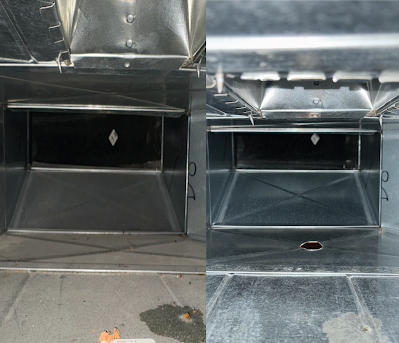
A shop vac and a brush can do a little — but here's where DIY stops and a real source-removal clean begins.
Search "clean your own air ducts" and you'll find plenty of advice involving a shop vac and a screwdriver. Some of it genuinely helps. But there's a clear line where DIY stops and professional source removal begins — and knowing it saves you money and disappointment.
What DIY can do
- Vacuum the register grilles and the first few inches of duct
- Wipe down vent covers
- Clear the visible lint trap on your dryer
That's worthwhile maintenance — and we'll always tell you when it's all you need.
What DIY can't reach
- The duct walls and trunk lines, where the real buildup lives, deep inside the system
- The blower wheel and coils, which need a furnace clean to address
- The full dryer vent run to the exterior hood — the part that actually causes fires
A household vacuum simply doesn't generate the negative-air pressure to pull debris out of the system. Without agitation and HEPA extraction, you mostly stir dust around — and a shop vac without a sealed system can blow fine particulate right back into the room.
The honest verdict
Keep doing the easy maintenance yourself. Bring in a pro every 3–5 years (or annually for dryer vents) for the source-removal clean DIY can't match. That's the combination that actually keeps your air clean and your dryer safe.
Keep reading
- Our air duct cleaning service
- Our dryer vent cleaning service
- How often should you clean your air ducts?
How we know this
This guide reflects what the Inner Bliss Duct Cleaning crew sees on real homes across Surrey and the Lower Mainland every week — not generic advice copied from a manufacturer's brochure. We clean to recognized industry (NADCA-aligned) standards and document every job with before-and-after photos.
Written by Tia, Senior Technician. Reviewed by The Inner Bliss Office, Customer Care. Last updated May 26, 2026.
Need Help?
Contact us today to discuss your needs. Our team is ready to help.
About the Author
Tia
Senior Technician
More Articles
View All PostsRelated Articles

Why Does My Furnace Smell Like Burning Dust When I First Turn It On?
That alarming burning dust smell during the first chilly October evening is usually harmless. Learn the mechanical difference between a normal seasonal burn-off and a serious fire hazard.
Read Article
The Unique HVAC Challenges of Heritage Homes in Cloverdale
Century-old homes offer unmatched charm, but their retrofitted ventilation systems often hide fragile materials. Learn how to safely navigate air quality upgrades without damaging aging ductwork.
Read Article
How Drywall Dust from Renovations Destroys Furnace Blowers
After the contractors leave, a new threat emerges. Microscopic gypsum powder easily bypasses standard air filters, acting like an insulating cement that overheats and ruins your blower motor.
Read ArticleReady to Get Started?
Whether you need a repair, maintenance, or a new installation, our expert team is here to help.